
Lately, I’ve been thinking about humans. Not humanity as a civilization, not humans as a species, and not the usual questions about technology or evolution. Just humans. Us. The strange creatures who wake up every morning, carry memories from yesterday, make decisions about tomorrow, and somehow convince ourselves that the person in the mirror is still the same person we’ve always been.
I’ve been reading about Theosophy lately, and honestly, I didn’t expect it to leave me with more questions than answers. Maybe that’s exactly why I kept reading. Some books give you answers. Others give you better questions. Theosophy felt more like the second kind.
The Thing Behind the Body
One of the thoughts that stayed with me was the idea that a human being might be more than what can simply be seen. It sounds simple, maybe even obvious, but the more I thought about it, the stranger it became.
I can see someone’s face. I can hear their voice. I can observe what they do. But I cannot directly observe their thoughts. I don’t know what a person sees when they close their eyes. I don’t know what memories suddenly appear in their mind when they hear a certain song. I don’t know what their inner voice sounds like.
There is an entire world inside every person that I will probably never fully enter. And that’s unsettling. We spend our entire lives surrounded by other humans, yet every human being remains, in some way, a mystery. Even ourselves. Especially ourselves.
Reading Theosophy
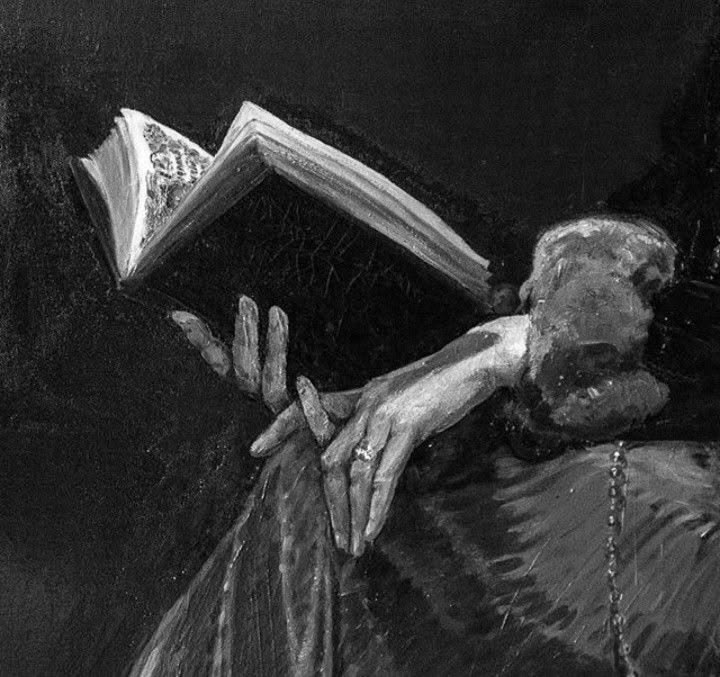
When I first started reading about Theosophy, I wasn’t looking for some secret explanation of the universe. I was mostly curious. The ideas were strange, sometimes difficult to process, and occasionally they made me stop reading just to sit with a single thought.
Theosophy approaches human existence through ideas that go beyond the physical: mind, consciousness, spirit, the nature of the self, karma, and the development of consciousness. Some of these are philosophical questions, while others are spiritual or metaphysical claims that cannot simply be treated as scientific facts. I think that distinction matters.
I don’t want to believe something just because it sounds mysterious. But I also don’t want to reject an idea simply because I don’t immediately understand it. So I kept reading. Somewhere between the pages, I realized that I wasn’t really trying to understand Theosophy anymore. I was trying to understand myself.
Maybe That’s the Problem
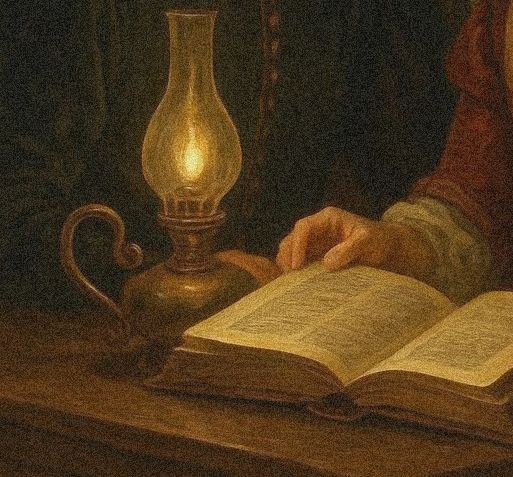
Humans are incredibly good at looking outward. We build telescopes to understand distant galaxies. We build microscopes to see things too small for our eyes. We send machines into places we have never been. We create artificial intelligence to imitate parts of our own thinking. We have mapped oceans, genomes, planets, and pieces of the universe.
But there is something almost ridiculous about how little we understand the person doing all of those things.
The observer remains partially unexplained. We can study the brain. We can measure electrical activity. We can describe biological processes. But somewhere inside all of that is the experience of being someone. And I don’t think we have completely solved that mystery. Maybe we aren’t even close.
Choice and Consequence
Another thing I kept returning to was the relationship between choice and consequence.
We make choices constantly. Most of them are so ordinary that we barely notice them. But some choices follow us for years, sometimes for the rest of our lives. We can regret something we did. We can be proud of something we chose. We can imagine a different version of our lives if we had taken another path.
That ability to look backward and forward at the same time feels deeply human to me. We remember what happened, we understand what happened, and then we imagine what could have happened instead. We live in the present while constantly negotiating with the past and the future.
A consequence can become a memory. A memory can become regret. Regret can become a lesson. A lesson can change a future decision. Suddenly, one action becomes part of the person we eventually become.
A consequence makes a human human.
At least, that’s how I see it. Not because consequences belong only to humans, but because we are capable of giving them meaning. We don’t simply experience what happens to us. We interpret it. We carry it. Sometimes we let it change us. Sometimes we don’t.
The Stranger in the Mirror
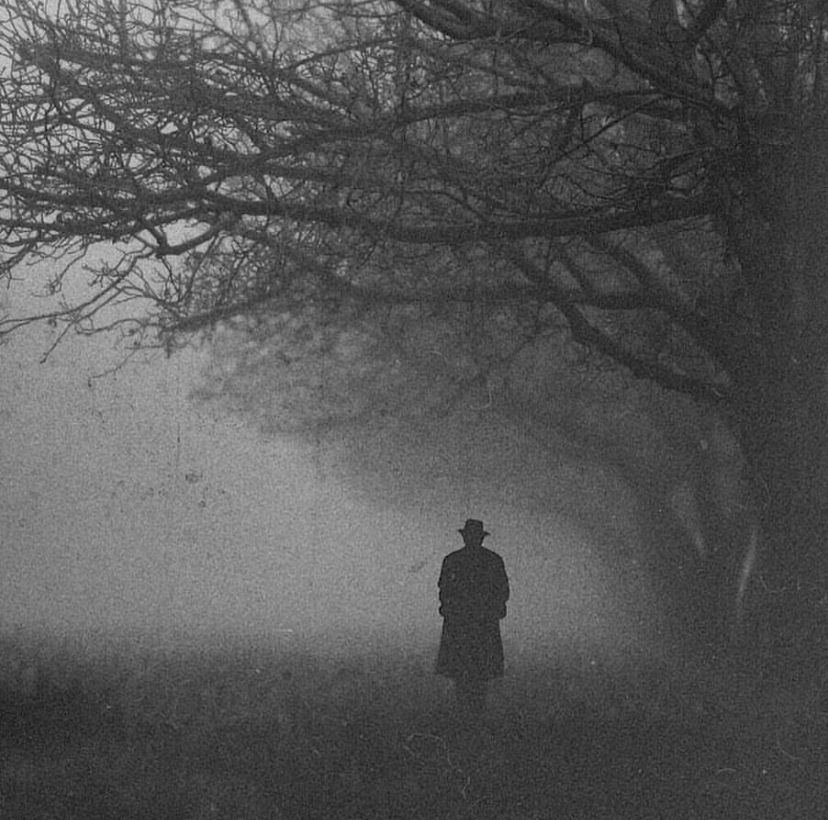
There are moments when I look back at myself from a few years ago and barely recognize that person. Different interests. Different fears. Different ambitions. Different ways of thinking. And yet I still say, That was me.
So what exactly stayed?
The body didn’t. The thoughts didn’t. The opinions didn’t. Even some memories have disappeared. Then what is the “I” that connects all of those versions together?
I’ve never been completely comfortable with the idea that identity is simple. Maybe identity is just a story we continuously tell ourselves. Maybe consciousness is something deeper. Maybe there is a part of us that exists beneath all the temporary things we attach to ourselves. Or maybe I’m asking a question that has no answer.
I don’t know. And strangely, I don’t think I need to know yet.
Perhaps We Are Meant to Wonder
The more I read, the less interested I become in finding a final answer. Maybe that’s what curiosity does. The closer you get to something, the more you realize how large it actually is.
One question becomes five. Five become fifty. Suddenly, you’re sitting alone at night thinking about consciousness, death, existence, karma, memory, and why a human being is capable of wondering about any of this at all.
It’s almost absurd.
But I like it.
I think there is something beautiful about not having everything figured out. Perhaps being human is not about possessing the answer. Perhaps it is about having the ability to ask the question.
We are creatures capable of looking at ourselves and wondering who is looking. We are capable of creating meaning where there may be none. We are capable of destroying meaning we once believed in and building something new. We remember. We choose. We regret. We imagine. We question.
And then we wake up the next morning and do it all over again.
Maybe that’s what makes us human.
Or maybe it isn’t.
I’m still reading.